Santiago to Easter Island: what a package really includes, and what it leaves out
Every listing sold out of Santiago is the same two purchases wearing one price tag, and knowing which half you are actually paying for is the whole decision.
Short answer
No day trip exists, because the flight from Santiago takes about five and a half hours each way on a route with roughly five departures a week. A listing sold from Santiago is a flight plus island days bundled together, and booking those two parts separately is usually cheaper and always more flexible.
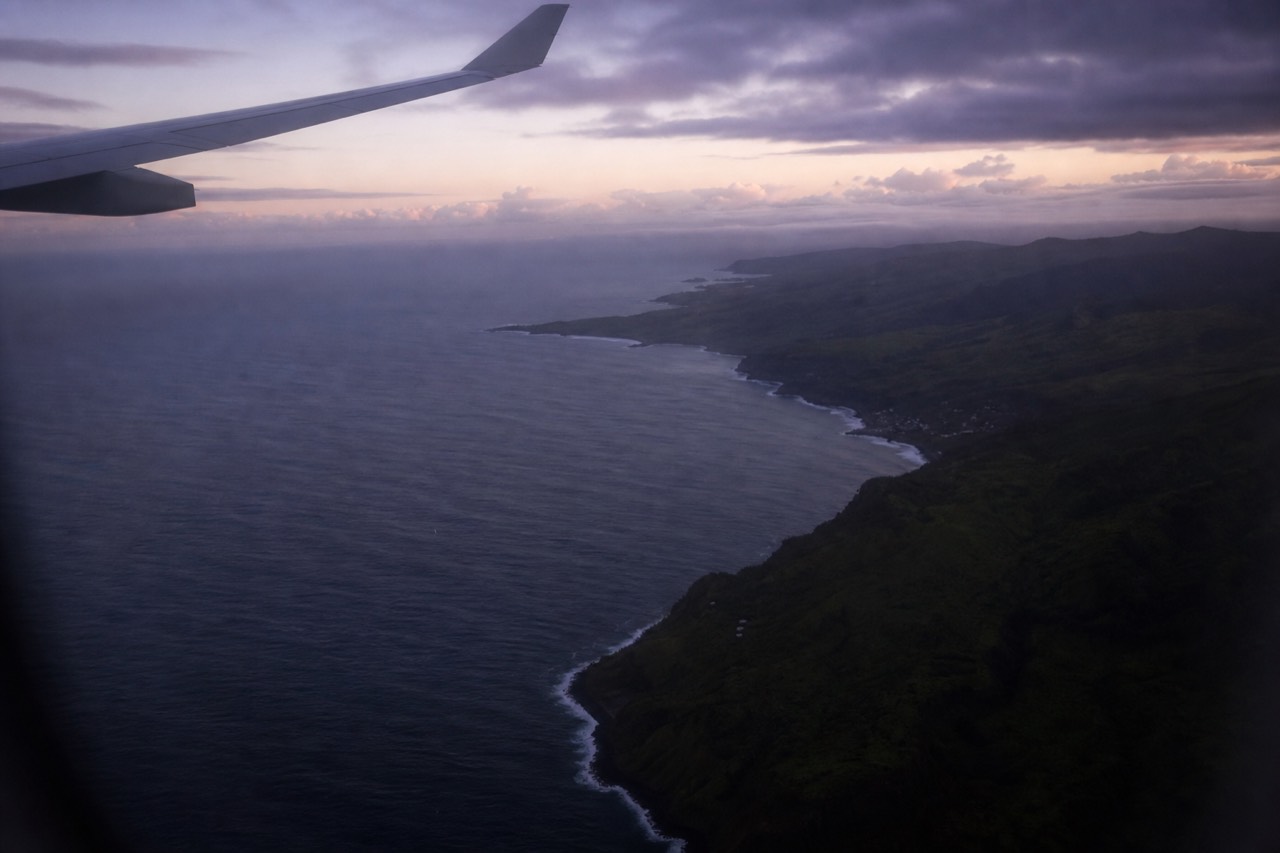
Search for a trip to Rapa Nui and the results arrive labelled from Santiago, which sounds like a departure point and is actually a warning. Santiago is where the only aircraft leaves from, and it is 2,300 miles from where you are going. The phrase is doing the same job that "from Miami" does on a Caribbean cruise listing: it names the airport, not the neighborhood.
That distinction breaks more itineraries than any other on this trip. People book a Santiago hotel for four nights, plan to "do Easter Island" from it, and then discover the flight is five and a half hours each way on a route that runs about five times a week. The island is not an excursion from the capital. It is the trip, and Santiago is the doorway.
Can you visit Easter Island as a day trip from Santiago?
No, and the arithmetic is not close. The flight is roughly five and a half hours in each direction on a route with about five departures a week, and there is no second airline or alternate airport. Even a theoretical same-day turnaround would leave no daylight, and park sites require a ticket and an accredited guide.
| The day-trip math | Reality |
|---|---|
| Flight time out | About 5.5 hours nonstop, Santiago to Mataveri |
| Flight time back | About 5.5 hours, same route, same airline |
| Departures per week | Typically five or more, not several per day |
| Same-day return option | Not offered on this schedule |
| Time needed on the ground for one circuit | A full day, 8 to 9 hours for the classic route |
| Minimum sensible stay | Two nights, which yields one usable day |
| Park access | $100 ticket plus a mandatory accredited guide |
There is no clever workaround hiding behind that table. LATAM operates the only scheduled service to the island, on Boeing 787s, and the schedule is built around visitors staying rather than turning around. A traveler who lands in the morning and flies out that afternoon has bought eleven hours of flying to look at an airport.
The stay length that actually works starts at two nights, which sounds thin and is genuinely enough for one thing: the classic full-day circuit down the south coast to Rano Raraku, Tongariki and Anakena. Three or four nights is where the island stops feeling rushed, because arrival and departure days are half days at best. How each trip length maps onto real days sets that out properly.
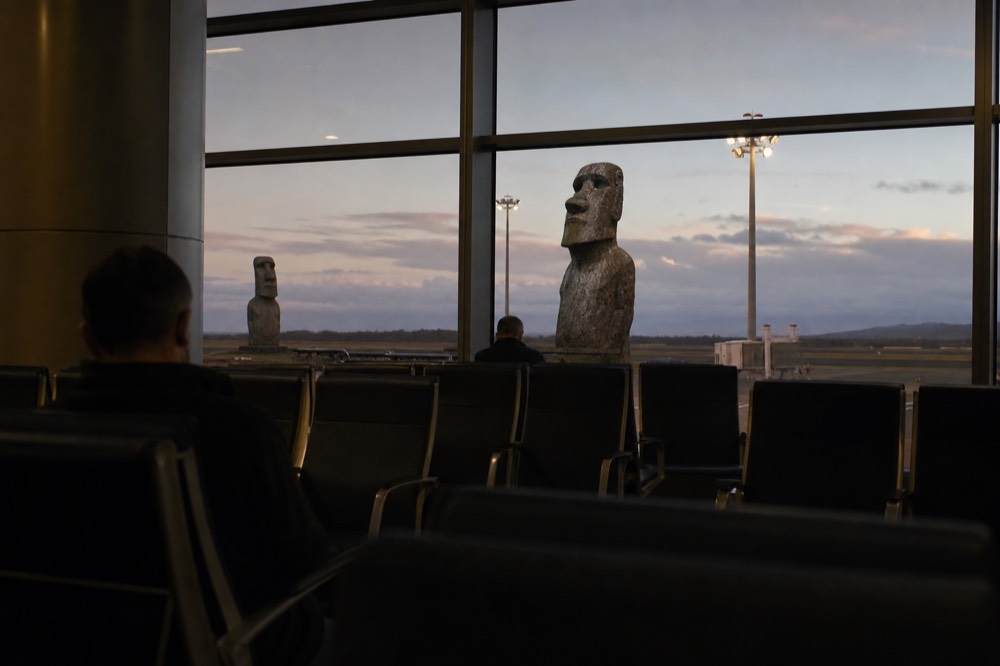
The entry rules settle the argument even if the schedule did not. Every visitor files an FUI form before boarding, shows a non-transferable return ticket, and proves a Sernatur-registered place to stay. A day tripper has none of those things, which is the clearest possible signal that the territory is not designed for drive-by visits. The Chilean government's Rapa Nui entry pages set out the current requirements.
What does a listing sold "from Santiago" actually include?
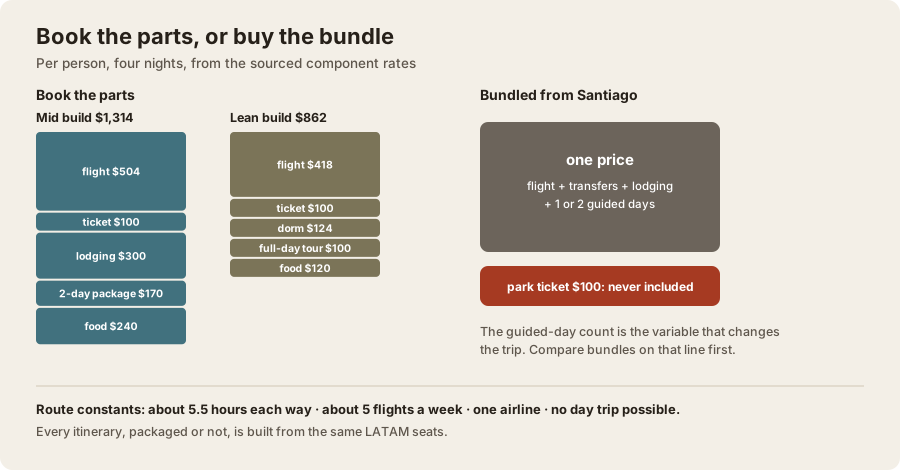
Usually the round-trip flight, transfers, island lodging and one or two guided days. It never includes the $100 national park ticket, which no operator can bundle. Read the guided-day count first, because that is the line where two similarly priced packages diverge most.
| Component | Typically included in a bundle? | Notes |
|---|---|---|
| Round-trip Santiago to Mataveri flight | Yes, that is the point of the bundle | Same LATAM service either way |
| Airport transfers on the island | Usually | Registered lodgings routinely meet flights |
| Accommodation on the island | Yes, at a fixed property | You lose the choice of property |
| Guided park days | Sometimes one, sometimes two | The single biggest variable between packages |
| Accredited guide for those days | Yes, where guided days are included | Mandatory for park access regardless |
| National park ticket | Never | $100 adult, $40 child, bought separately |
| FUI entry form | No, you file it yourself | Free, mandatory, online, before the flight |
| Meals | Rarely more than breakfast | Mid-range dinner runs $20 to $40 |
| Santiago hotel nights | Occasionally | Worth having on the outbound side regardless |
The park ticket exclusion is universal and it is not an oversight. The ticket is sold by the Ma'u Henua Indigenous Community, issued per person in the buyer's name and checked against identification at site entrances, so it cannot be resold inside a package. Anyone quoting you an all-inclusive price that claims to cover it has either misunderstood or is describing something else. What the ticket covers and the single-entry catch explains why that matters more than the $100.
Guided-day count is the line to read twice. A package with one guided day and a package with two guided days can sit within $100 of each other, and the second one is covering both single-entry sites, Rano Raraku on one day and Orongo on the other. Since each of those may only be entered once per ticket, the second guided day is not an upgrade, it is a different trip.
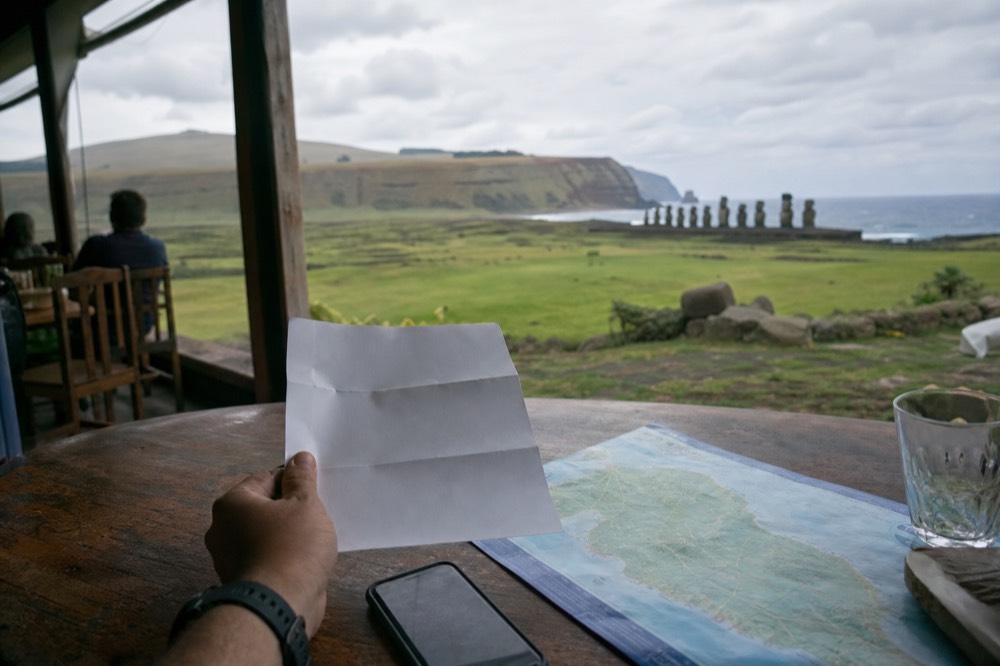
Property choice is the quiet cost of bundling. Island lodging ranges from campsites around $16 a night to hotel doubles at $200 and up, and a package fixes you to whatever the operator contracts. That is fine if the property suits you and expensive if it does not, because there is no meaningful refund path once the bundle is priced as one number.
Is it cheaper to bundle the airfare or to book the parts yourself?
Booking the parts yourself is usually cheaper and always more transparent, because you can see each price. A four-night mid-range trip assembled from current rates lands near $1,300 per person before Santiago nights. Any bundle has to beat that number on identical inclusions to be worth the lost flexibility.
| Line item, four nights, per person | Lean build | Mid-range build |
|---|---|---|
| Round-trip Santiago to Mataveri | $418 | $504 |
| Rapa Nui National Park ticket | $100 | $100 |
| Island lodging, four nights | $124 dorm at $31 a night | $300 at $75 a night sharing a double |
| Guided days | $100, one full-day circuit | $170, two-day package covering both circuits |
| Food | $120 at $30 a day | $240 at $60 a day |
| Running total | About $862 | About $1,314 |
| Not included in either | Santiago hotel nights, international airfare | Santiago hotel nights, international airfare |
That table is the benchmark to hold a bundle against. It is built from current 2026 rates rather than from a brochure, and it is deliberately unglamorous: a real bed, real food, and the guided days without which the park is closed to you. If a bundled listing quotes meaningfully above the mid-range column with the same guided-day count, the difference is being spent on the operator's convenience rather than yours.
Bundles do earn their keep in specific situations, and it is worth being fair about them. A traveler who wants one confirmation number, one point of contact when a flight moves, and no research is buying coordination, and coordination on a route this thin has genuine value. The same is true for anyone travelling with a group where splitting bookings across several people gets messy.
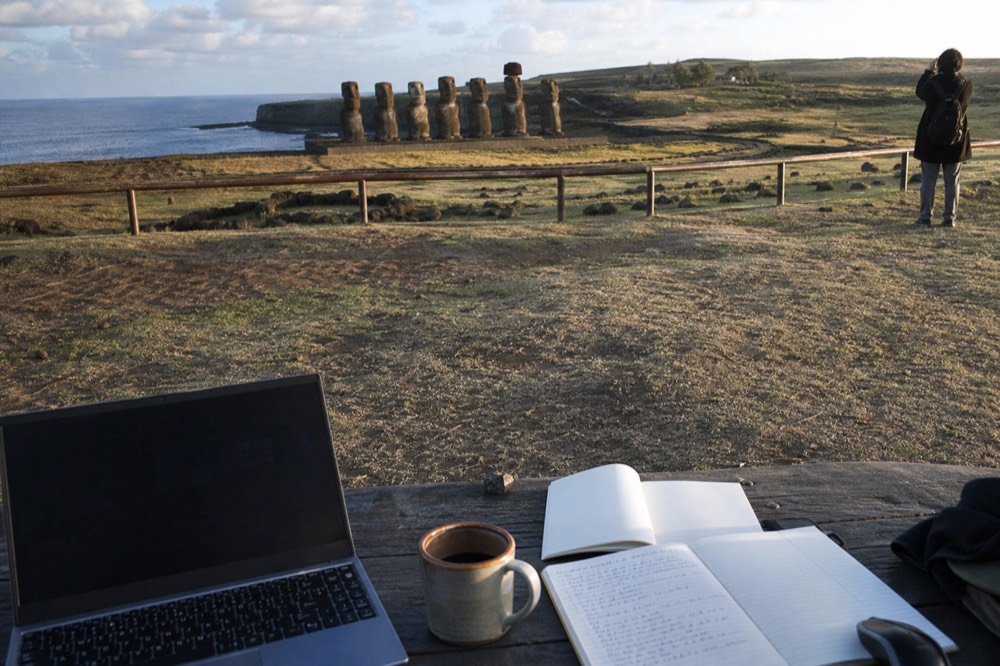
The flexibility cost cuts the other way, though, and it bites hardest at the top of the market. Book the parts and you can put a private guide on the day you care about and a group circuit on the day you do not, or add the Tongariki dawn outing after you have seen the forecast. A bundle locks that choice at purchase, weeks before anyone knows what the weather will do to a once-only entry at the quarry. The full cost breakdown by category shows where each dollar actually goes.
How do travelers actually structure the trip?
Fly out from Santiago, sleep on the island, and buy the guided days separately. That structure dominates because the island half is where all the real choices are: one circuit or two, group or private, sunrise or not. The flight is a commodity, and the days are not.
The most common shape looks like this. A traveler books the LATAM round trip first, because the schedule is the binding constraint. Then a Sernatur-registered room, because that booking is legally required before the entry form can be filed. Then the guided days, sized to the number of full days the flight schedule actually left them. The park ticket comes last, timed to the arrival date so the ten-day clock is not wasted.
That order is not arbitrary and reversing it causes real problems. Book guided days before flights and you may end up with a two-day package and one usable day. Buy the park ticket months early and part of its ten-day validity expires before you land, since the clock starts at issue rather than at first use.
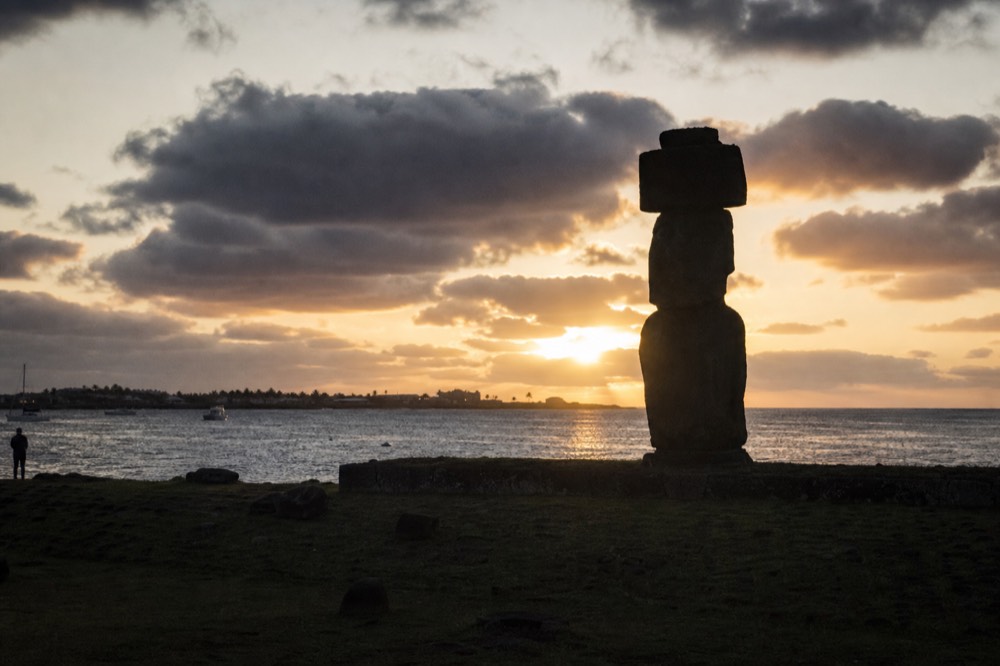
The island half is where the money should get your attention, and it is the half a bundle hides. Because the island days are bought as a separate line in every structure, bundled or not, the sensible move is to compare Easter Island tours by length, depth and price first, then work backwards to the flight dates that make your preferred itinerary possible. Travelers who already know they want both main circuits should check what the two-day package costs on their dates, since it covers Rano Raraku and Orongo under one booking.
There is a smaller group for whom the private route makes more sense, usually families or anyone with limited mobility who does not want to be paced by a van of strangers. Those travelers should look at a two-day private itinerary run at your own pace and compare it against two group days rather than against a bundle.
What does a five-day Santiago and island plan look like?
One night in Santiago, three nights on the island, one night back in Santiago. That shape gives two full touring days on Rapa Nui, protects both ends against the thin flight schedule, and lets you cover both single-entry sites without gambling either of them on arrival-day daylight.
| Day | Where | What happens | Booking notes |
|---|---|---|---|
| 1 | Santiago | Arrive from your home country, overnight near the airport or in the city | The buffer that protects the island flight |
| 2 | Santiago to Rapa Nui | Fly out, about 5.5 hours, buy or collect the park ticket, evening at Tahai | Tahai needs no guide or ticket, ideal for arrival day |
| 3 | Rapa Nui | Full-day south-coast circuit: Vaihu, Akahanga, Rano Raraku, Tongariki, Anakena | Spends the single Rano Raraku entry |
| 4 | Rapa Nui | Rano Kau crater and Orongo, then Vinapu, Puna Pau, Ahu Akivi; stargazing after dark | Spends the single Orongo entry |
| 5 | Rapa Nui to Santiago | Morning free in Hanga Roa, afternoon flight back, overnight in Santiago | Never connect straight onto an international flight |
| 6 optional | Santiago | Onward international departure, or city time | The return-side buffer |
The Tahai suggestion on day two is the single most useful line in that table. It sits on the edge of Hanga Roa, needs neither a guide nor a park ticket, and it is where the sunset photographs come from. That makes it the perfect arrival-evening activity on a day when you have been flying since morning and no guided circuit would work anyway.
Day four earns its keep twice. Orongo and the Rano Kau crater fill the daylight, and the night belongs to the sky. Rapa Nui sits about 2,200 miles from the nearest city with effectively no light pollution, and a night session puts the Southern Cross and the Magellanic Clouds in front of northern-hemisphere visitors who have never seen either. Clearest conditions run April to October.
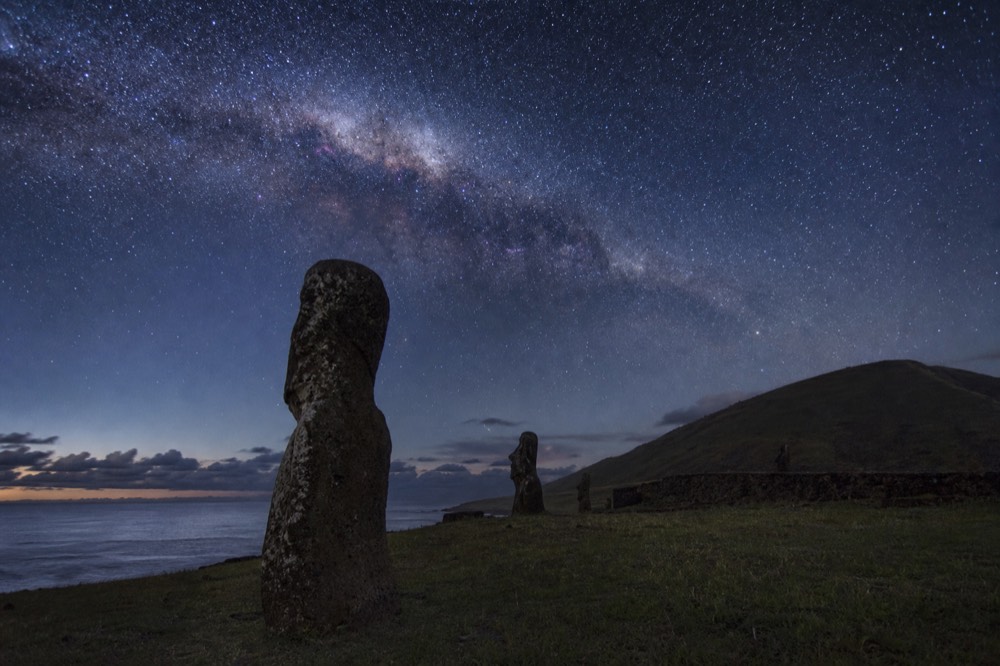
Stretch this to six nights on the island and the addition is dawn rather than more sites. Sunrise at Ahu Tongariki falls between roughly 6:30 in the austral summer and 7:30 in winter, with the site opening at 6:00 for dawn visitors, and Tongariki is not single-entry, so it fits alongside a circuit day. Travelers building that version should see how the three-day itinerary with the dawn outing is priced against booking a circuit and a sunrise separately.
How do you protect the plan against a flight problem?
Leave a night in Santiago on the way out and another on the way back. On a route with about five departures a week, a missed flight is a lost day or more, and everything downstream keeps running: prepaid lodging, booked guided days, and the ten-day clock on a park ticket you already own.
| Risk | What it costs on this route | The fix |
|---|---|---|
| Late international arrival, tight connection | The island flight, then a day or two waiting | Overnight in Santiago before flying out |
| Separate tickets, no through-protection | Everything, no airline owes you a rebooking | Book on one ticket, or leave an overnight |
| Island flight delayed on the return | A missed international departure | Overnight in Santiago on the way home |
| Weather on your single quarry entry | A once-only visit spent in rain | Put Rano Raraku on the better forecast day |
| Guided day booked on arrival day | Paid for, not usable, daylight gone | Never schedule a circuit for landing day |
| Bundled package, changed dates | Limited flexibility, one price to renegotiate | Book the parts if your dates might move |
The separate-ticket trap deserves the bluntest warning. Travelers assembling a cheap international itinerary often end up with the long-haul leg and the island leg on different tickets, which means a delay on the first creates no obligation on the second. On a route with hourly alternatives that is an inconvenience. Here it is the trip.
The park ticket adds a wrinkle most people do not anticipate. Its ten consecutive days run from issue, so a delayed arrival burns validity whether you are on the island or not. If your dates carry any real risk of moving, buy at the airport counter on arrival rather than months in advance.
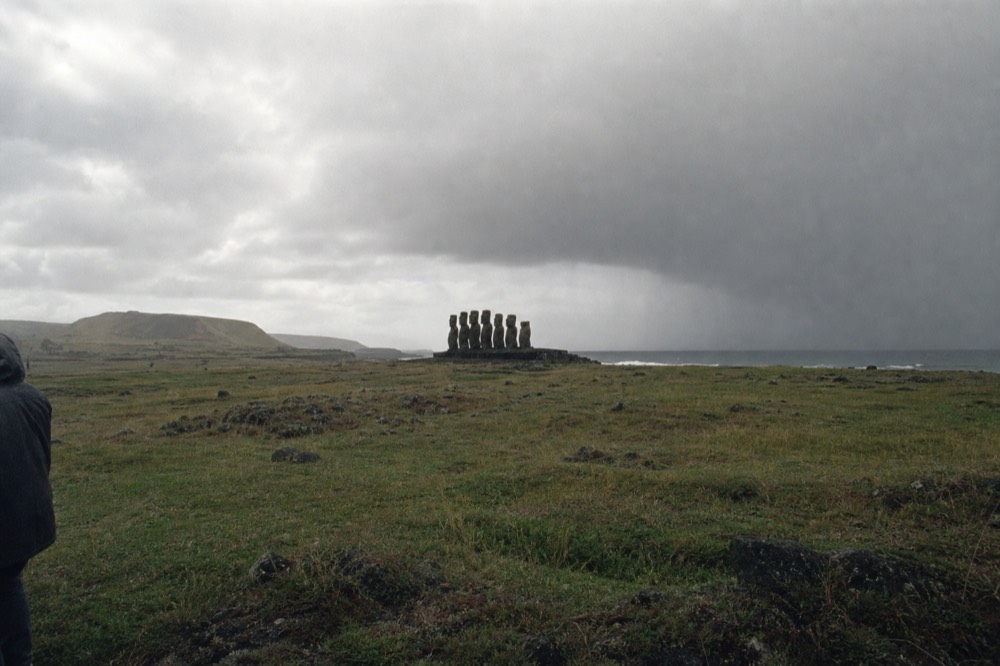
Weather is the risk that money cannot fix, and the single-entry rule is why. Rano Raraku is an exposed volcanic slope with several hundred unfinished statues on it, and you get one walk through it per ticket. If you have two touring days and a lopsided forecast, spend the quarry entry on the better one. Orongo's crater and stonework survive cloud far better. Travelers with only one full day should still see what the classic full-day circuit costs, because it is the day that covers the quarry.
Where does the island fit in a longer Chile itinerary?
Wherever it fits, it routes through Santiago. Every flight to Mataveri leaves from the capital, so a Chile trip that includes Atacama or Patagonia must return to Santiago before flying west. Treat the island as a fixed block with a buffer night either side, then arrange the mainland around it.
| Combination | How it has to route | Buffer to leave |
|---|---|---|
| Island only | International hub to Santiago, then west | One night in Santiago each way |
| Island plus Atacama | Mainland leg out of Santiago and back before the island flight | A night in Santiago between the two |
| Island plus Patagonia | Same pattern, mainland leg returns to Santiago | A night in Santiago, weather delays are common in the south |
| Island plus Valparaíso or the coast | Ground travel from Santiago, no extra flight | Easiest pairing, minimal buffer |
| Island plus a wine region | Ground travel from Santiago | Easy, and it fills a buffer day usefully |
| Island first or island last? | Island first, if either leg might slip | Protects the least reschedulable flight |
The island-first principle is worth stating clearly. Domestic Chilean flying is frequent enough that a missed connection there costs hours. The island flight costs days. Putting the least flexible leg at the front of the trip, while your schedule still has slack behind it, is simply better engineering.
The pairing that works most easily is the one closest to home. Valparaíso, the coast, and the wine country around Santiago are ground trips from the capital, which means they can absorb your buffer nights instead of wasting them. A traveler who needs a night in Santiago before the island flight anyway may as well spend the preceding two days somewhere worth seeing.
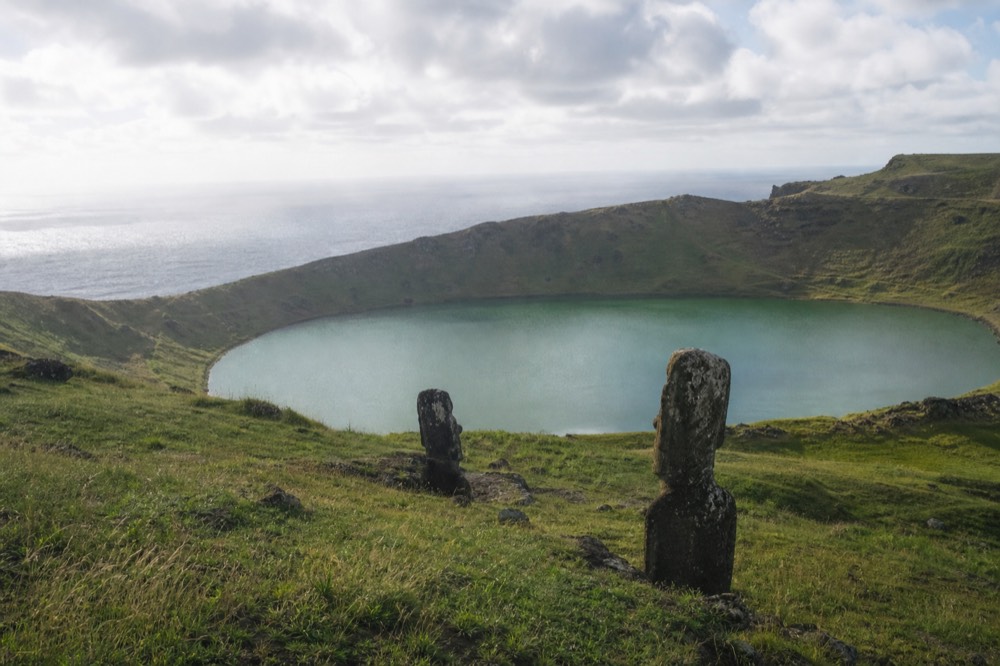
One planning note for multi-stop travelers: the FUI form and the Sernatur-registered accommodation requirement apply no matter how long you have been in Chile already. Filing happens at the official Rapa Nui entry portal before the island flight, not on arrival in the country, so build it into the week before you fly west rather than the week you land in South America.
What should you book first?
Flights, then a Sernatur-registered room, then the FUI form, then guided days, then the park ticket last. That order exists because each step depends on the one before it, and because buying the park ticket early wastes days off a ten-day clock that starts at issue rather than at first use.
| Order | What you book | Why it comes here |
|---|---|---|
| 1 | Round-trip Santiago to Mataveri flight | The schedule is the binding constraint on everything |
| 2 | Santiago overnight, outbound and return | Cheapest protection against a five-a-week route |
| 3 | Sernatur-registered island accommodation | Legally required before the entry form can be filed |
| 4 | FUI entry form | Free, online, needs the return ticket and the room |
| 5 | Guided days | Sized to the full days the flight schedule actually left |
| 6 | Park ticket | Ten-day clock starts at issue, so time it to arrival |
Step five is where most of the trip's quality is decided, and it is the step people rush. Two nights gives one full day, which means one circuit and one single-entry site. Three nights gives two full days and covers both. Four gives you a third day for dawn at Tongariki or a night under the southern sky, neither of which fits inside a circuit day.
Step three has a hidden deadline. Because the room has to exist before you can file the entry form, and because island lodging is limited, the booking that looks most flexible is actually the one on the clock. Festival weeks make this acute: Tapati Rapa Nui runs January 30 to February 12 in 2027, its 59th edition, with limited accommodation and heavy demand across it.
The last thing worth saying is that the two halves of this trip are not equally shoppable. The flight is a fixed product from a single airline, and the only variables are date and how early you buy. Everything else, the bed, the days, the pace, the guide, is a real choice with real trade-offs. The flight, fare and paperwork mechanics cover the fixed half, whether an overnight stay is even permitted answers a question that comes up more than it should, and the two and three day packages and single-day circuits hold the half that is genuinely yours to decide.
Common questions
How long is the flight from Santiago to Easter Island?
About five and a half hours nonstop, on LATAM, which is the only airline serving the route. Flights leave from Santiago (SCL) and land at Mataveri (IPC), typically five or more times a week on Boeing 787s, with one or two departures on some days depending on season and demand.
Is a package with airfare cheaper than booking separately?
Usually not on price alone. A four-night mid-range trip assembled from current rates comes to roughly $1,314 per person before Santiago hotel nights, and a bundle has to beat that with the same guided-day count to be worth the lost flexibility. What bundles genuinely buy is a single confirmation number and one point of contact if a flight moves.
Does a "from Santiago" package include the national park ticket?
No package includes it. The $100 foreign adult ticket, $40 for a child, is issued per person in the buyer's name and checked against identification at site entrances, so it cannot be resold inside a bundle. Buy it online at the official park site or at the airport counter when you land.
How many days should you spend on the island?
Three or four nights suits most travelers. Two nights yields one usable day, enough for the classic south-coast circuit to Rano Raraku, Tongariki and Anakena. Three nights covers both main circuits and therefore both single-entry sites, and a fourth adds room for the Tongariki sunrise or a night-sky session.
Can you combine Easter Island with Atacama or Patagonia?
Yes, but everything routes through Santiago, because every flight to the island departs from there. Do the mainland leg out of Santiago and back, leave a buffer night in the capital, and put the island first if either leg might slip. Domestic delays cost hours; a missed island flight can cost days.
What paperwork do you need before boarding in Santiago?
A completed FUI entry form filed online, a non-transferable return ticket, and proof of Sernatur-registered accommodation or an invitation letter. Every visitor needs the FUI, including Chileans, and it is checked at check-in rather than on arrival. Maximum tourist stay is 30 days, and the FUI is not a visa.